What is a Drug Test?
A drug test is typically a chemical examination of a biological specimen, such as urine, saliva, sweat, or hair to determine if an individual has recently used drugs. Drug tests are commonly used in employment and medical settings to detect the presence of illicit substances in the body. The most common form of drug testing involves urinalysis; other methods may include blood tests and breathalyzer tests for alcohol consumption.
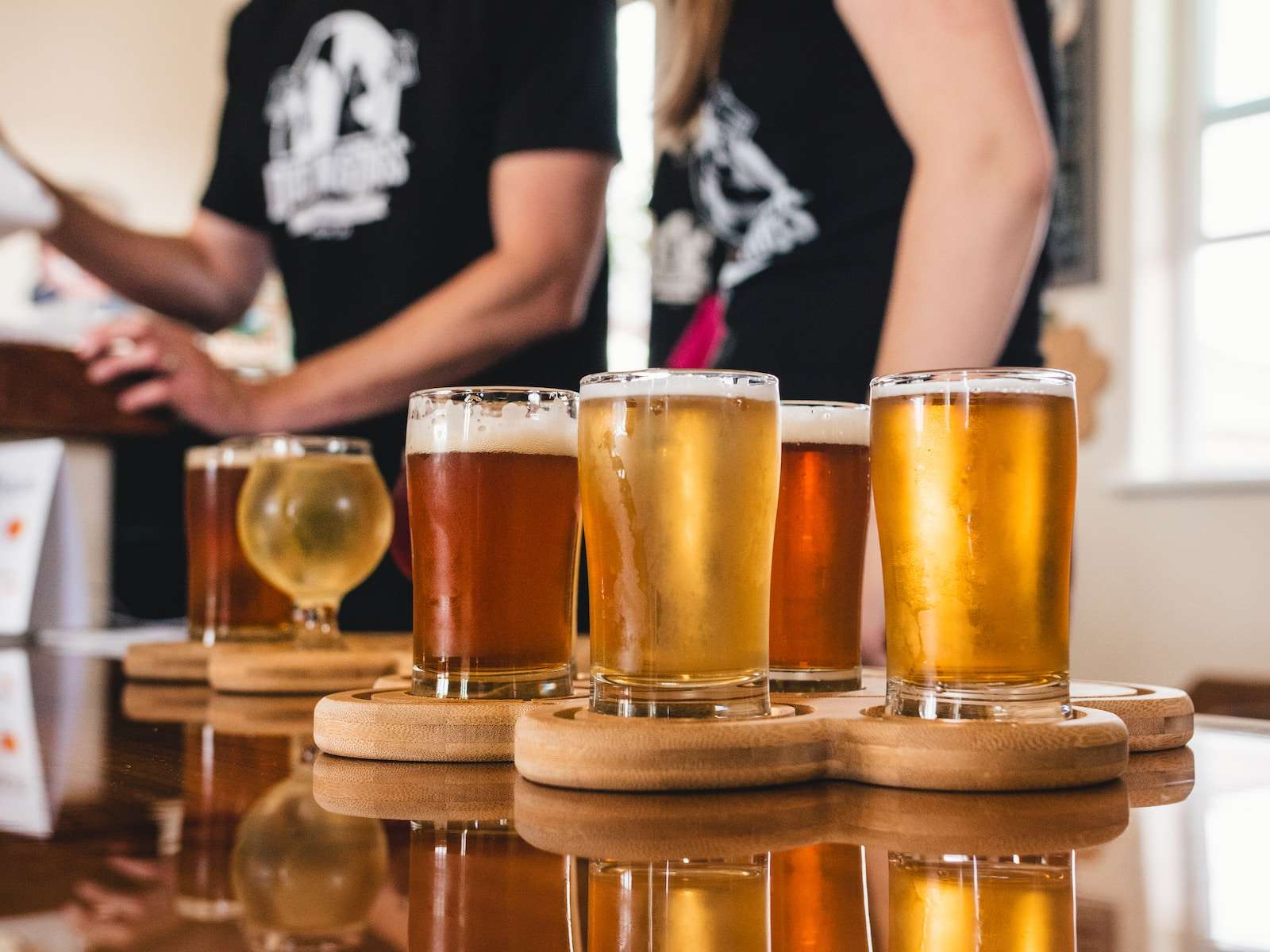
Can 2 Beers Show Up On A Drug Test?
The short answer to this question is no: two beers will not show up on a standard drug test. This is because beer does not contain any substances that would be detected by these types of tests. However, it is possible that high levels of alcohol consumption could affect the results of certain types of drug testing—for example, it may lead to false positives on some breathalyzers if a person’s BAC exceeds 0.08%. Therefore, it’s important to note that while two beers will not show up on a traditional drug test per se—it can still impact other related readings or results depending on how much was consumed prior to being tested.
Types Of Drugs Tests And Their Limitations
It is important to note that there are different types of drug tests that vary in sensitivity and accuracy when attempting to detect substance abuse in individuals. Urine analysis remains one of the most popular forms due to its quick turnaround time for results and relatively low cost. However, this type can sometimes produce false positives if someone has been exposed to second-hand smoke from marijuana or similar substances.
Blood tests offer more detailed information but come at higher costs and require specialized equipment, so they are not always available everywhere. Similarly, oral swabbing requires special machines, which also means availability issues for some users who might need them quickly in emergency situations, such as car accidents involving illegal drugs.
Hair follicle analyses provide longer detection windows but are also fairly expensive due to their laborious data collection process compared with quicker alternatives like urinalysis or saliva sampling, which both have very short detection time frames, usually just 24 hours. Ultimately, though all these methods rely upon an active metabolization rate between user/subject species. Thus any ingestion must happen within close proximity before events unfold; otherwise, they won’t be effective at accurately identifying any traces present during post-event analysis later down the line. This means that even legal stimulants like caffeine won’t necessarily register unless consumed right near the time window period leading up to the test.
Finally, it’s worth noting again here that regardless of the type of test used, none of them pick out trace amounts found from minimal intake products like beer unless excessive quantities were drunk prior to taking the sample itself. So don’t worry about potential impacts from having a couple of brewskis the night before a workday morning. The chances remain slim enough where the risk factor involved becomes almost non-existent.