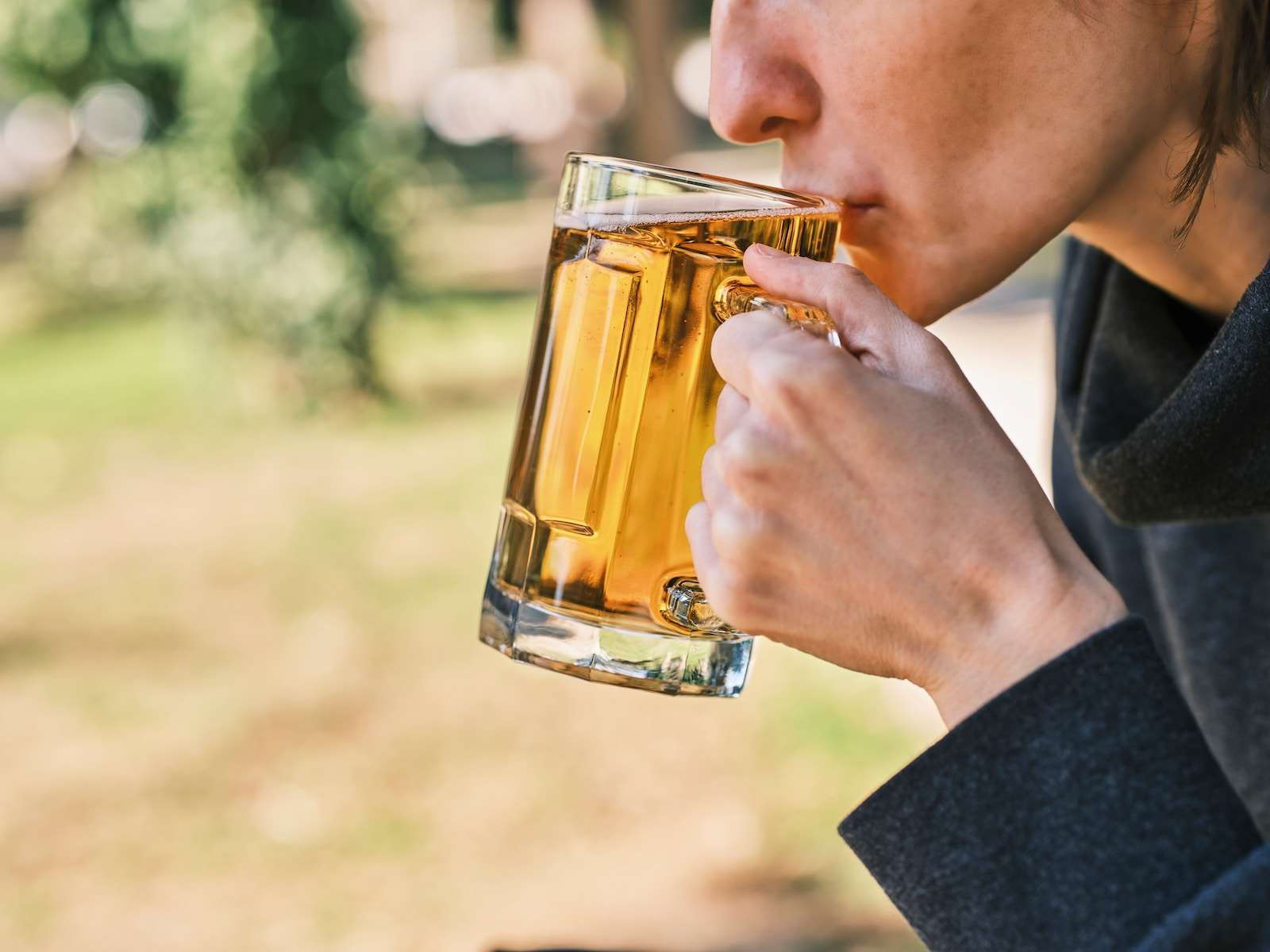
Beer is one of the most popular alcoholic beverages in the world. From pilsners to stouts, there are plenty of different types of beer available for drinkers to enjoy. However, some might not be aware that yeast plays a crucial role in brewing this beloved drink. Yeast is what converts sugars into alcohol and carbon dioxide during the fermentation process, which gives beer its signature taste and texture.
If you’re wondering which type of beer has the most yeast, let’s dive deeper into this topic.
Understanding Yeast
Before we talk about which beer has the most yeast, it’s essential to understand what exactly yeast is and how it works. As mentioned earlier, yeast is responsible for converting sugars (derived from malted grains) into alcohol through a process called fermentation.
Yeast also plays an important role in determining flavor characteristics such as bitterness and sweetness levels by consuming certain types of sugar during fermentation. Different strains of yeast can produce different flavor profiles like fruity esters or spicy phenols, depending on their environment.
So Which Beer Has The Most Yeast?
While all beers contain some amount of yeast as part of their brewing process, Belgian beers tend to have higher concentrations due to their unique brewing methods. Belgian brewers often use specific strains like Saccharomyces cerevisiae var diastaticus or Brettanomyces bruxellensis that can survive high levels of alcohol content while still producing distinct flavors.
Belgian-style brews also incorporate spontaneous fermentation: they leave vats open, allowing natural yeasts present in the air around them to settle and ferment inside the liquid over time (usually several months). This method results in extremely complex beer profiles with funky notes ranging from fruitiness to tartness because so many different strains come together eventually!
Other Factors That Affect How Much Yeast Is In Beer
The concentration varies according to other factors as well:
Type Of Malt Used:
Some malts contain more residual sugars and nutrients that yeast can feed on, making them more suitable for producing high amounts of yeast in beer.
Fermentation Time:
The longer the beer sits during fermentation, the more time there is for yeast to multiply and grow in number. For example, lagers require cold fermentation conditions and therefore take much longer than ales to ferment. This extended period means higher levels of yeast.
Temperature And pH Levels:
Yeast needs an ideal environment to thrive, including specific temperatures (usually between 60°Fto 75°F) and pH levels (around 4.5 -5). Brewers carefully monitor these factors throughout brewing to ensure optimal conditions for their chosen strains.
Final Thoughts
While Belgian beers are known for having some of the highest concentrations of yeast due to their unique brewing methods, it’s essential not to focus solely on this aspect when choosing which beer to drink. There are many other crucial factors like taste profiles or alcohol content that should also be considered.
However, now you know what types may contain higher concentrations! So next time you try out a lambic or Trappist brew, remember: there’s probably going to be plenty of little yeasty organisms doing their work inside your glass!