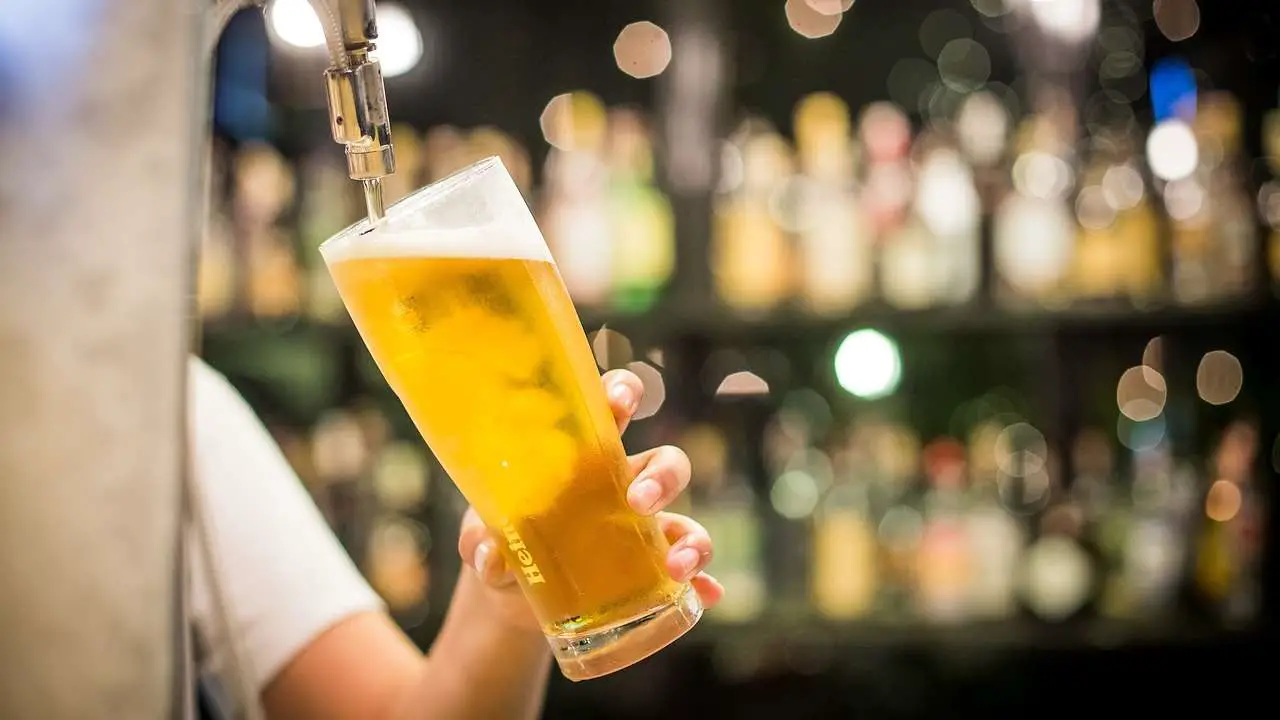
Beer is an alcoholic drink that has been enjoyed by people for centuries. It comes in different flavors and varieties, such as lagers, ales, stouts, and IPAs. In addition to being refreshing and tasty, beer is also known for its distinct characteristics such as color, aroma, taste profile, and alcohol content.
One of the most commonly asked questions about beer is whether it is heavier than water or not. This question has sparked much debate among beer enthusiasts who are curious about the science behind their favorite drink’s properties.
To answer this question comprehensively, we must first explore what makes up beer and how it differs from water in terms of its density.
The Science Behind Density
Density refers to the amount of mass present in a particular object or substance per unit volume. It is calculated by dividing the object’s weight by its volume.
Water has a density of 1 gram per milliliter (g/mL), which means that one liter (1000 mL) of pure water weighs 1000 grams or one kilogram (kg).
Beer contains various ingredients such as malted barley, hops, yeast extractives, flavorings like fruits and spices along with alcohol content- all these add texture to the liquid, as compared to plain water, they make beer denser than it otherwise would be without adding any ingredients at all.
Therefore technically speaking, yes- Beer can be considered heavier than plain water due to additional solid components like fermentable sugars that have not yet fermented into alcohol, making for more dense liquid while the brewing process occurs — but it’s essential always to keep in mind each brew will vary slightly based on recipe & method used during brewing!
The Role of Alcohol Content
Alcohol content plays a crucial role in determining whether the beer is heavier or lighter than water since ethanol has a lower density than both oil and water-based compounds making liquids less dense overall when added into them compared separately before mixing began i.e., if you add ethanol to water in a glass, the density of the mixture will be less than if you had added some other liquid, like oil.
Therefore, beers with higher alcohol content tend to be lighter than water, while low-alcohol beer varieties can weigh more. The reason for this is that as alcohol makes up a significant proportion of beer’s composition; it lowers the overall density of the beverage, making it less dense.
Conclusion
In conclusion, whether or not beer is heavier than water depends on various factors, such as its ingredients and alcohol content. While plain water has a density of 1 g/mL, beer may have densities ranging from 0.9-1.2 g/mL depending on its recipe and brewing method used.
Ultimately, these differences in density are minor and shouldn’t impact your enjoyment of drinking your favorite brews! So go ahead and enjoy sipping on your cold ones without worrying about getting weighed down by them – cheers!