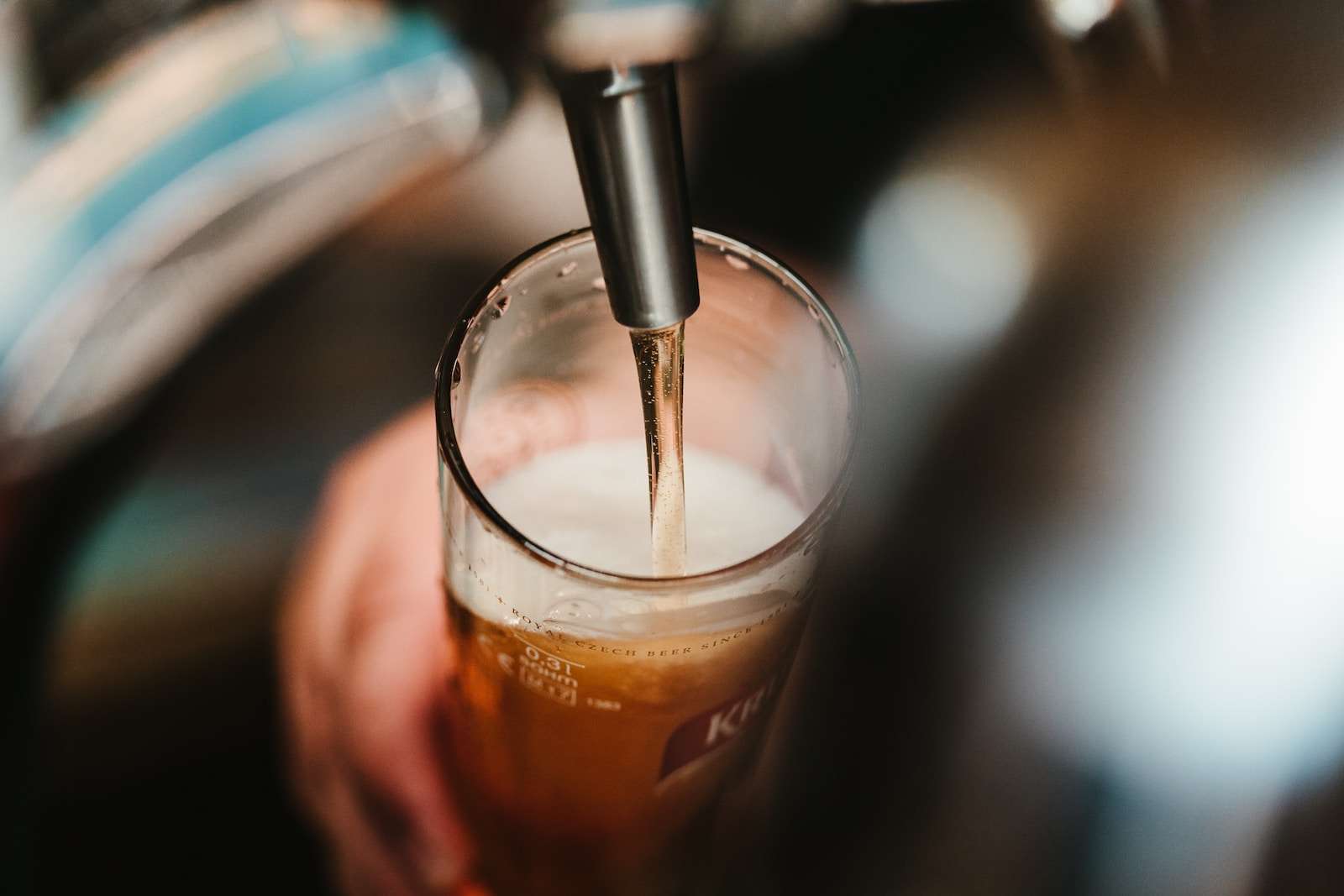
Beer is one of the oldest beverages in the world, with evidence showing that it has been around for almost 5,000 years. Over time, beer has evolved into what we know and love today. One aspect that has changed over the years is carbonation.
What Is Carbonation?
Carbonation refers to the presence of carbon dioxide gas dissolved in a liquid such as water or soda. The fizziness that you feel when you drink a soda or sparkling water comes from carbon dioxide bubbles escaping from the liquid.
The History of Beer
Beer dates back to ancient civilizations like Egypt and Mesopotamia, where it was brewed for both religious and daily consumption. The earliest recorded recipe for beer can be found on a 4,000-year-old Sumerian tablet.
While early versions of beer were likely flat due to not being sealed properly, they eventually became carbonated naturally through secondary fermentation in wooden barrels or ceramic pots, resulting in natural effervescence.
During Medieval times brewers used simple methods such as open fermentation which allowed wild yeast present in their environment to contribute towards flavor profile while also producing CO2 naturally during this process creating small amounts of effervescence inside casks before bottling them up .
Industrialization & Modern Brewing Techniques
When industrial brewing techniques emerged during the late 1800s, carbonated beers became more common. These breweries began using mechanical pumps charged with compressed air instead of relying solely on natural processes, which resulted in much higher levels of carbonation inside their containers, such as bottles or cans, than ever before, seen throughout history.
As demand grew, so did technology leading us closer towards modern-day machines capable of outputting millions upon millions of cases each year; now, thanks largely due advancements made possible through industrialization, there exists an enormous variety of different types of styles available worldwide today ranging from traditional lagers all way experimental microbrewery creations featuring unusual ingredients flavors combinations likely never seen by our ancient ancestors.
So Has Beer Always Been Carbonated?
In short, no. The earliest versions of beer were likely flat due to not being sealed properly or contained in a way that would allow for natural carbonation. However, through the centuries and with the evolution of brewing techniques, carbonated beers have become more common.
While some traditional breweries still use natural carbonation methods such as cask conditioning inside wooden barrels – it’s clear that modern brewing techniques are what have led to the widespread popularity of carbonated beer.
Conclusion
Beer has come a long way since its humble beginnings thousands of years ago. One aspect that has changed over time is how it became carbonated. From simple open fermentation processes to mechanical pumps charged with compressed air during the industrialization era resulting in much higher levels of CO2 concentration than ever before seen throughout history – modern-day beer now comes in countless varieties of styles ranging from light lagers fruity IPAs and complex stouts, all which owe their unique character bubbles found within them today!